Aircrew Parachute Harness/Pack – Vulcan & Victor Crew Seats: Historic Aircrew Escape Assembly
Aircrew Parachute Harness/Pack – Vulcan & Victor Crew Seats: Historic Aircrew Escape Assembly
Blog Article
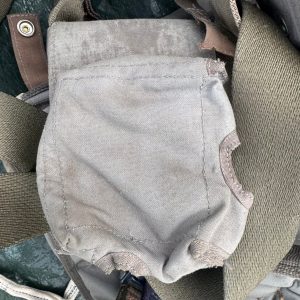
The Aircrew Parachute Harness/Pack – Vulcan & Victor Crew Seats combines historical aviation interest, crew-seat integration potential, harness construction, and emergency-equipment significance.
The Aviation Parachute Harness can offer collectible and restoration value, while the Pilot Parachute Harness should never be judged serviceable from appearance alone.
An Aircraft Emergency Parachute Harness may also be marketed as an Aircrew Safety Harness, Flight Crew Parachute Harness, Emergency Parachute Harness, or Military Aircrew Harness when its historical and technical context is explained clearly.
Whether described as an Aviation Emergency Escape Harness, Parachute Harness Assembly, Aircraft Crew Safety Equipment, Aircrew Emergency Equipment, or Pilot Emergency Parachute System, the item should be evaluated within its complete original configuration.
An Aviation Safety Harness can appear visually complete while containing age-related webbing, corrosion, damaged stitching, altered fittings, or missing components.
Exploring the Aircrew Harness and Pack Configuration
The offered harness and pack should be identified through visible labels, part numbers, contract markings, manufacturer information, dates, inspection stamps, and known aircraft-seat relationships.
Photographs should show the front, rear, sides, webbing, buckles, attachment points, pack, labels, stitching, hardware, and areas of wear.
Military Harness Structural Features
A complete inspection should examine both obvious wear and less visible age-related deterioration.
Repairs should not be assumed acceptable merely because they appear neat or use similar-colored get more info material.
Evaluating Harness Size and Fit
Shoulder, chest, waist, and leg adjustments may influence comfort, movement, load distribution, and secure positioning.
Buckles and adjusters should move without excessive force, binding, corrosion, cracking, deformation, or damage to adjacent webbing.
Aircraft Emergency Parachute Harness Function
Its effective function depends on the complete relationship between harness, pack, canopy, seat, releases, attachment points, and crew procedures.
Careful documentation supports restoration research and Aircraft Emergency Parachute Harness preservation.
Maintaining Aircrew Harness Equipment
Military aircrew equipment can vary significantly between aircraft types, crew stations, and service periods.
Proper storage protects the Aircrew Safety Harness and reduces further deterioration.
Flight Harness Preservation
The condition of a Flight Crew Parachute Harness should be described using specific observations rather than broad terms such as excellent, serviceable, or ready for use.
Any known aircraft history, crew-seat association, unit provenance, or acquisition records should be presented carefully and supported when possible.
Harness Hardware Evaluation
A documented inspection preserves both technical information and collector value.
Professional advice may be appropriate when preservation or safety classification remains uncertain.
Collecting a Military Aircrew Harness
A Military Aircrew Harness associated with Vulcan and Victor crew seating can hold significant interest for collectors of British military aviation, historic aircraft equipment, and Cold War-era artifacts.
Conservation-focused presentation protects the Military Aircrew Harness for future study.
Crew-Seat Escape Equipment
System-level research improves historical accuracy and buyer understanding.
Wear patterns can sometimes show how straps or fittings were routed, but interpretation should remain cautious.
Military Parachute Pack Components
The seller should avoid opening sealed or packed equipment without suitable expertise.
Organized documentation also helps future owners continue research.
Military Crew Survival Gear
Each item should be identified and evaluated individually because age, storage, configuration, and service history can differ.
Conservation should prioritize reversible methods whenever practical.
Preserving Aviation Emergency Equipment
Collectors should preserve labels, inspection records, modifications, and storage evidence.
Replacement straps or hardware should be disclosed when known.
Evaluating Historic Parachute Systems
A previous inspection stamp does not establish current suitability.
Opening a historic pack can disturb original packing arrangements, seals, labels, or documentation.
Aviation Safety Harness for Display and Collection
The item should remain removable for inspection and future conservation.
Public displays should include clear information explaining the item’s aircraft association, approximate period, purpose, condition, and nonoperational status where appropriate.
Choosing a Flight Parachute Harness
A Flight Parachute Harness should be purchased according to intended use, identity, condition, completeness, provenance, size, configuration, and available documentation.
Commercial value can be influenced by verified Vulcan or Victor association, rare markings, complete hardware, original pack configuration, preserved labels, and documented history.
Choosing Aircraft Parachute Equipment
Aircraft Parachute Equipment should be matched through exact part numbers, aircraft type, crew position, seat model, connection method, and period-specific configuration.
Historic photographs and technical references can guide arrangement when available.
Inspecting the Aircrew Parachute Harness/Pack
The seller should disclose cut straps, missing fittings, corrosion, mildew, staining, odors, repairs, modifications, opened packs, and unknown internal contents.
- Determine whether the canopy, deployment components, release equipment, inspection cards, storage bag, manuals, or other items are included.
- Check metal hardware for corrosion, pitting, cracks, bending, sharp edges, seized movement, plating loss, and mismatched parts.
- Require packaging that supports the pack and webbing without sharp folds, crushing, metal abrasion, moisture exposure, or uncontrolled movement.
Parachute Webbing Preservation
Straps should follow broad natural curves rather than sharp folds that concentrate stress.
Routine monitoring supports long-term Aircrew Parachute Harness/Pack preservation.
Historic Parachute Equipment Presentation
Adhesives, staples, screws, drilling, cutting, or irreversible sewing should be avoided.
The equipment should remain accessible for periodic inspection without requiring extensive dismantling.
Protecting Aviation Safety Equipment
Aggressive cleaning can remove original markings, finishes, inspection evidence, or historically significant wear.
Organized records support responsible stewardship of Aircrew Emergency Equipment.
Selecting a Crew-Seat Harness and Pack
The Aircrew Parachute Harness/Pack – Vulcan & Victor Crew Seats offers stronger commercial appeal when labels, webbing, fittings, pack components, history, and documentation are presented transparently.
The assembly should be judged according to verified identity and complete project suitability rather than aircraft-name recognition, visual completeness, or price alone.
Whether the assembly is purchased for restoration, research, display, reference, collection, or specialist evaluation, transparent documentation and responsible handling provide the strongest foundation.
With verified provenance, careful inspection, protected storage, reversible display methods, organized documentation, and responsible conservation, the harness/pack can provide lasting historical value.
Report this page